


Horizontal Turning Centers for Modern CNC Manufacturing
Manufacturers producing shafts, automotive components, transmission parts, hydraulic components, bearing-related parts, and other rotational components need CNC equipment that can combine machining capability, productivity, precision, and process stability.
A Horizontal Turning Center is a CNC machine tool designed primarily for turning operations with the workpiece and spindle arranged on a horizontal axis.
Compared with conventional manual or basic CNC lathes, modern horizontal turning centers can provide a more integrated machining environment with CNC control, automatic tool changing, advanced workholding, chip management, coolant systems, and automation interfaces.


What Is a Horizontal Turning Center?
A Horizontal Turning Center is a CNC machine tool in which the main spindle is horizontally oriented and rotates the workpiece while cutting tools perform programmed machining operations.
The horizontal configuration is widely used for rotational components because it provides an efficient machining arrangement for loading, cutting, chip evacuation, and automated material handling.
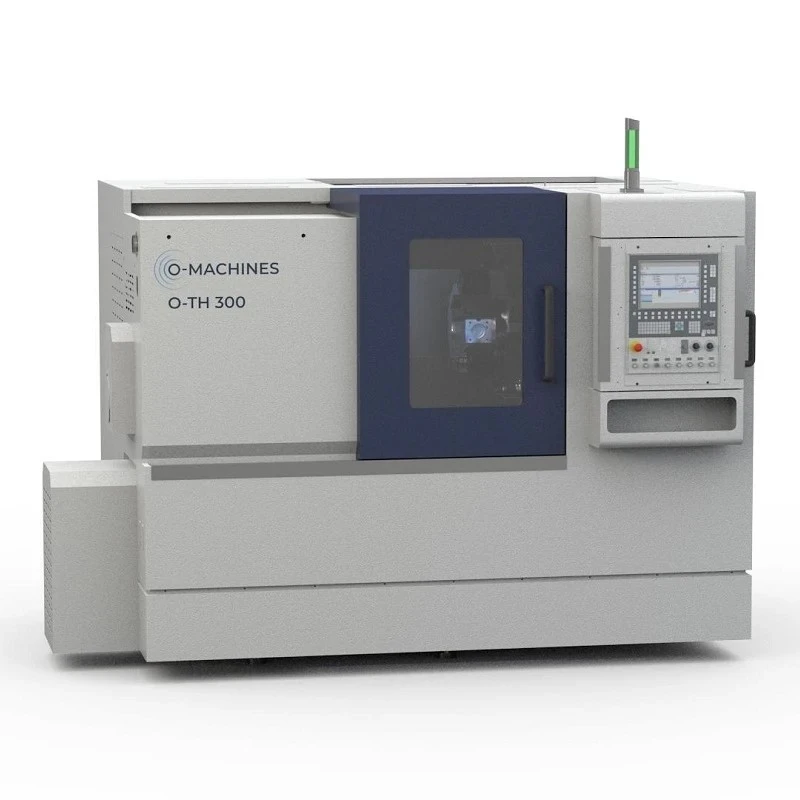
types of CNC machining
Lorem ipsum dolor sit amet consectetur adipisicing elit.
mill CNC machine
请替换当前内容 A foreign trade website is an online platform designed for cross-border e-commerce and international trade, helping businesses showcase products, attract global buyers, and facilitate transactions.These websites typically feature multi-language support, multi-currency payment options, and convenient logistics solutions to meet the needs of users from different countries.Core functionalities include product display, online inquiries, order management, and customer support systems to ensure efficient communication and collaboration between buyers and sellers.
mill CNC machine
A good foreign trade website requires a clean layout and fast loading speed to enhance user experience. Search Engine Optimization (SEO) is crucial for improving the website’s visibility internationally, allowing more potential customers to find the business.Security is also essential, with features like SSL encryption and reliable payment gateways to protect users' sensitive information.
Additionally, many foreign trade websites integrate social media marketing tools to drive traffic and expand brand awareness through social platforms. To cater to global audiences, these websites should also support mobile access, ensuring customers can browse and purchase seamlessly, no matter where they are.Foreign trade websites have become an effective tool for businesses to expand into international markets, playing a vital role in the global economy.
Why Choose a Horizontal Turning Center?
The choice between a basic CNC lathe, horizontal turning center, vertical turning machine, turn-mill machine, or other CNC equipment should be based on the workpiece and production requirements.
Horizontal turning centers are particularly suitable for rotational components where efficient turning and automated production are important.
Efficient Turning Operations
Horizontal turning centers are designed around CNC turning processes.
They can perform multiple operations within a single setup depending on the machine configuration.
Suitable for Shaft-Type Components
The horizontal configuration is well suited to:
Shafts
Pins
Sleeves
Bushings
Transmission components
Cylindrical components
Automotive components
Multiple Operations in One Setup
Depending on the machine specification, a horizontal turning center can combine turning with drilling, boring, grooving, threading, and other operations.
This can reduce the number of separate machining stages.
CNC Process Control
CNC control provides programmable machining processes and repeatable production procedures.
Automation Integration
Horizontal turning centers can be integrated with:
Robots
Gantry loaders
Automatic bar feeders
Conveyors
Automatic inspection
Part handling systems
Suitable for High-Volume Production
For automotive, transmission, bearing, hydraulic, and other industrial applications, horizontal turning centers can support automated and repeatable production.
Horizontal Turning Center Technical Specifications
| Specification | What Buyers Should Evaluate |
| Maximum swing over bed | Maximum workpiece envelope |
| Maximum turning diameter | Actual machining diameter |
| Maximum turning length | Component length |
| Spindle speed | Required cutting conditions |
| Spindle motor power | Material removal requirements |
| Spindle bore | Bar and workpiece capacity |
| Chuck size | Workholding requirements |
| X-axis travel | Turning diameter capability |
| Z-axis travel | Machining length |
| Turret capacity | Number of tools required |
| Tool size | Cutting-tool compatibility |
| CNC control system | Programming requirements |
| Positioning accuracy | Precision requirements |
| Repeatability | Production consistency |
| Rapid traverse | Cycle-time considerations |
| Coolant capacity | Continuous production requirements |
| Chip conveyor | Chip removal requirements |
| Bar feeder | Automatic bar production |
| Robot interface | Automation requirements |
| Workpiece weight | Loading requirements |
| Machine footprint | Factory layout |
| Power requirements | Factory infrastructure |
Horizontal Turning Center vs Vertical Turning Machine
| Factor | Horizontal Turning Center | Vertical Turning Machine |
| Spindle orientation | Horizontal | Vertical |
| Typical workpieces | Shafts and cylindrical parts | Large/heavy rotational parts |
| Long shaft machining | Suitable | Application dependent |
| Heavy workpiece loading | Application dependent | Often advantageous |
| Automation | Available | Available |
| Chip evacuation | Generally favorable for many turning operations | Depends on configuration |
| Floor layout | Horizontal machine footprint | Vertical footprint |
| Application | Automotive, transmission, shafts, precision components | Large diameter/heavy components |
The correct choice depends on workpiece size, weight, geometry, production requirements, and factory layout.
Quality Control and Machine Testing
For an industrial CNC machine purchase, buyers should evaluate the manufacturer's quality-control process.
Component Inspection
Critical components should be inspected according to manufacturing requirements.
Machine Assembly
Machine components must be assembled and adjusted according to engineering specifications.
CNC System Testing
The CNC system and machine functions should be tested before shipment.
Accuracy Inspection
Critical machine accuracy should be verified using appropriate inspection methods.
Trial Machining
Where applicable, test machining can be conducted according to the customer's component or agreed test workpiece.
Final Acceptance
The final machine should be checked according to agreed technical specifications and acceptance criteria.
FAQ
Q: What is the difference between a horizontal turning center and a CNC lathe?
A: A CNC lathe is a broad category of CNC turning equipment. A turning center generally provides a more integrated machining platform with features such as automatic tooling and expanded machining capabilities, depending on the model.
Q: What parts can be machined on a horizontal turning center?
A: Typical applications include shafts, automotive components, transmission parts, hydraulic components, bearing-related parts, bushings, sleeves, flanges, and other rotational components.
Q: Is a horizontal turning center suitable for automotive parts?
A: Yes. Horizontal turning centers are widely applicable to automotive rotational components and can be integrated into automated production cells.
Q: Can a horizontal turning center perform drilling?
A: Depending on the machine configuration, drilling and other secondary operations can be performed using appropriate tooling or driven tools.
Q: Can horizontal turning centers be automated?
A: Yes. Automation options can include robots, gantry loaders, automatic bar feeders, conveyors, inspection systems, and automatic part handling.
Q: What information is required to select a horizontal turning center?
A: Important information includes the workpiece drawing, diameter, length, material, weight, tolerance, surface finish, machining operations, annual production, and automation requirements.
Q: Can DIKE CNC customize horizontal turning centers?
A: Yes. Machine configuration can be evaluated according to workpiece geometry, machining requirements, production volume, workholding, tooling, and automation.
Q: How long does a horizontal turning center last?
A: Service life depends on machine construction, utilization, maintenance, operating conditions, and replacement of wear components. Proper maintenance is important for long-term machine performance.
Q: Can horizontal turning centers machine complex parts?
A: Yes, depending on machine configuration. For highly complex parts requiring simultaneous turning and milling, a multifunctional turning center or turn-mill machine may be more appropriate.
Q: Should I choose a horizontal turning center or a vertical turning machine?
A: The decision depends on workpiece geometry, diameter, length, weight, machining process, production volume, and loading requirements.
As one of the most professional horizontal turning centers manufacturers and suppliers in China, we also support customized service. We warmly welcome you to buy durable horizontal turning centers at competitive price from our factory. If you have any enquiry about pricelist, please feel free to email us.
horizontal turning centers, cnc horizontal turning center